Mixed Media Demonstration Liz Myhill

Liz Myhill trained in Print Making at Dundee and as well as making art, currently works as a freelance Illustrator.

Liz explained that she uses mixed media to describe “Place, narrative and atmosphere”.  She first started using mixed media in an attempt to get rid of the white of the paper as quickly as possible.  She began the demonstration by showing us a selection of the media she regards as her basic kit; a box of watercolours which were very messy, (however she explained she preferred them that way and often started a painting using a wash mixed for a previous painting), System 3 acrylics, sometimes used with texture gel, modelling paste, glaze or self levelling gel, pastels for sketching outdoors, and watercolour pencils for tightening up paintings.  To this she applies tissue paper, “found papers” and other hand-made paper.
Dec 2014 261

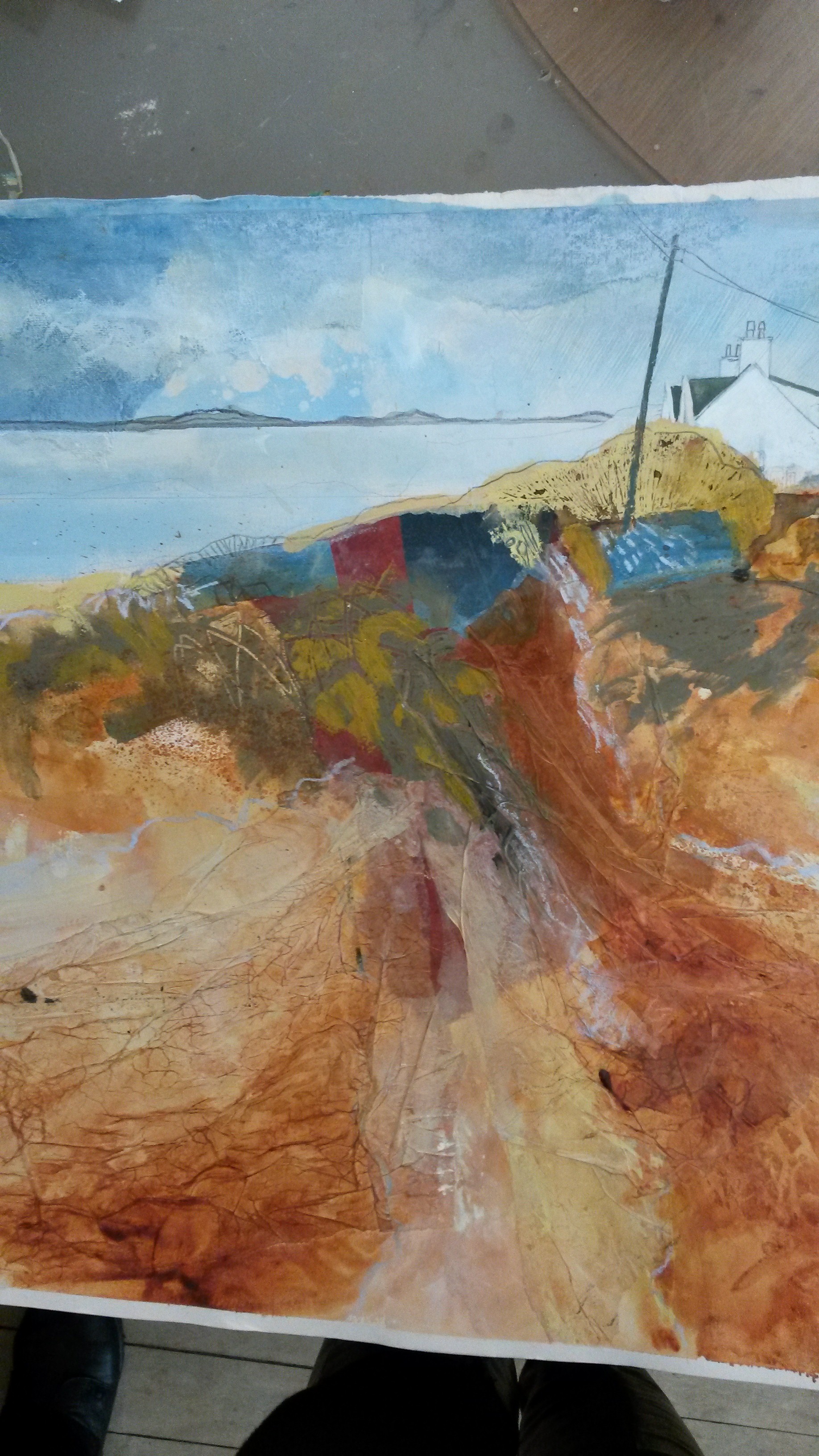
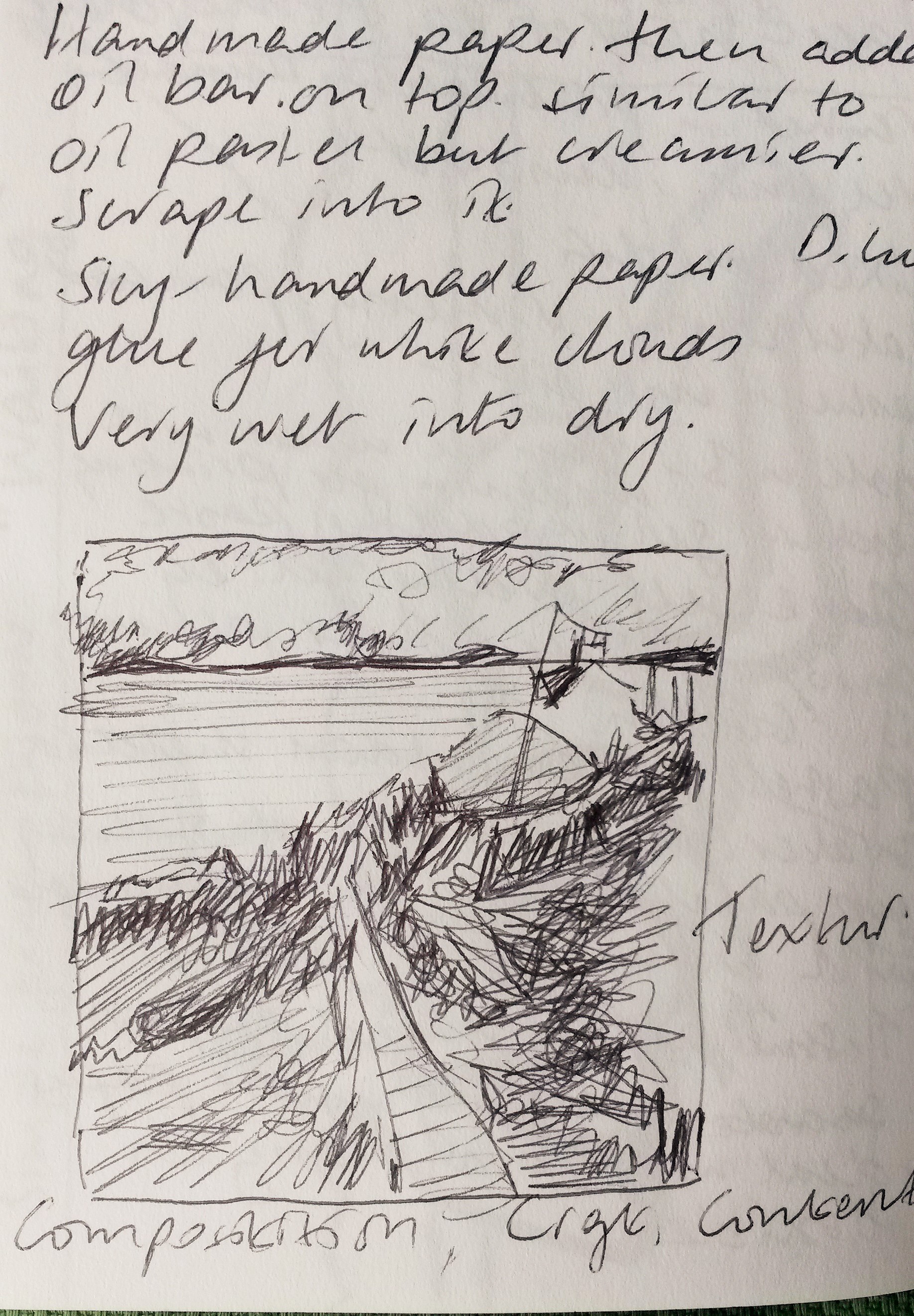
For the first demonstration she did a landscape with a square composition.  She began by gluing tissue paper to the board, then covered this with watercolour.  She added handmade paper then drew on top of this with an oil bar.  She then added handmade paper for the sky and used diluted pvc glue for the white clouds.
20150301_151934

A sketch of one of her paintings

soft-morning-light lizmyhill

Liz Myhill “Soft Morning Light”

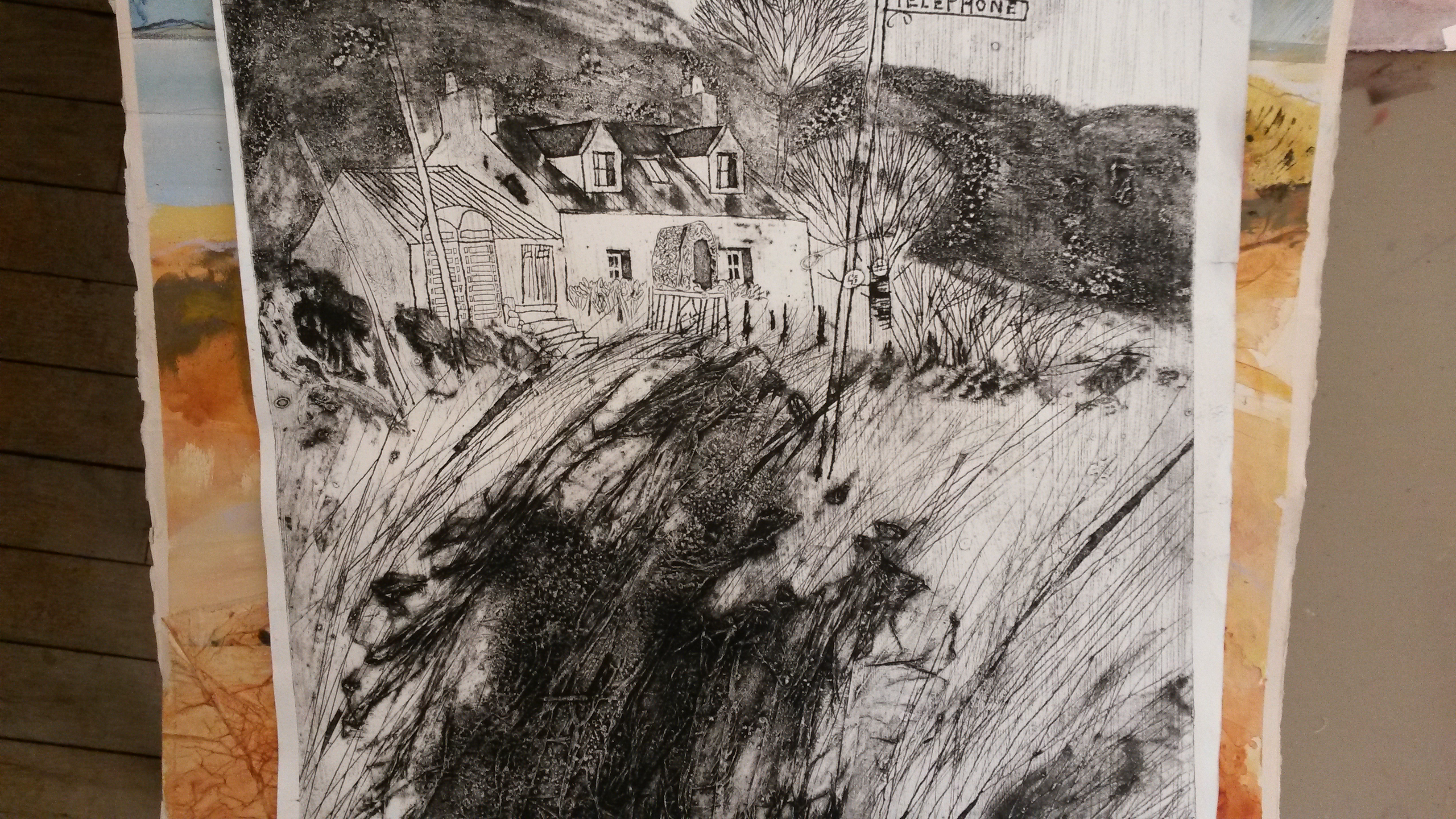
While this was drying she showed us a mono print she was working on.

Monoprint; A form of printmaking where the image can only be made once, unlike most printmaking which allows for multiple originals.

To do this she used acrylic with print making medium added on top of Perspex sheet.  She said you could use glass, plastic or even a poly pocket.  You can draw on to this with a pencil or your finger, or use the creases on tissue paper to add texture.
Dec 2014 263

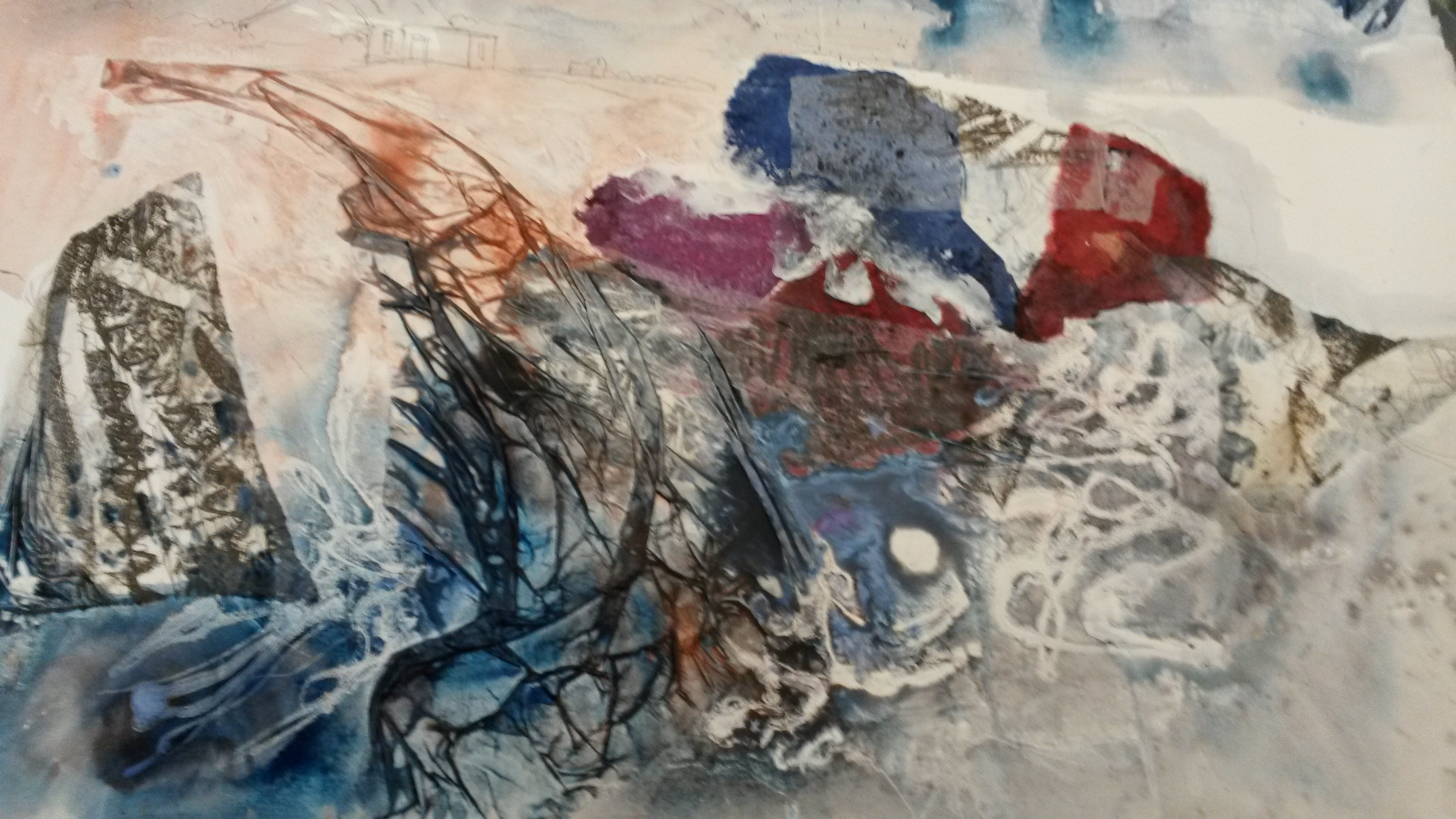
Liz makes her own paper.  She said that she used a lot of tissue paper in her degree work, however discovered much later on that it isn’t light fast.  She finds her own hand-made paper is much more light fast and retains it’s colour better.  She likes to experiment with layers; print on top of paint, paint on top of paper etc.
Dec 2014 256

Following her graduation she had a residency in India, where she learned the hard way the limitations of printing, where you can’t travel with a lot of heavy equipment.  She only had basic chemicals and the use of an old tin bath, but also found she didn’t want to work with toxic materials.

She prefers to work on mountboard, which she seals with household floor varnish first. She likes to mix painting with printing because it is then a unique image, whereas prints come out identical to each other.
Dec 2014 257

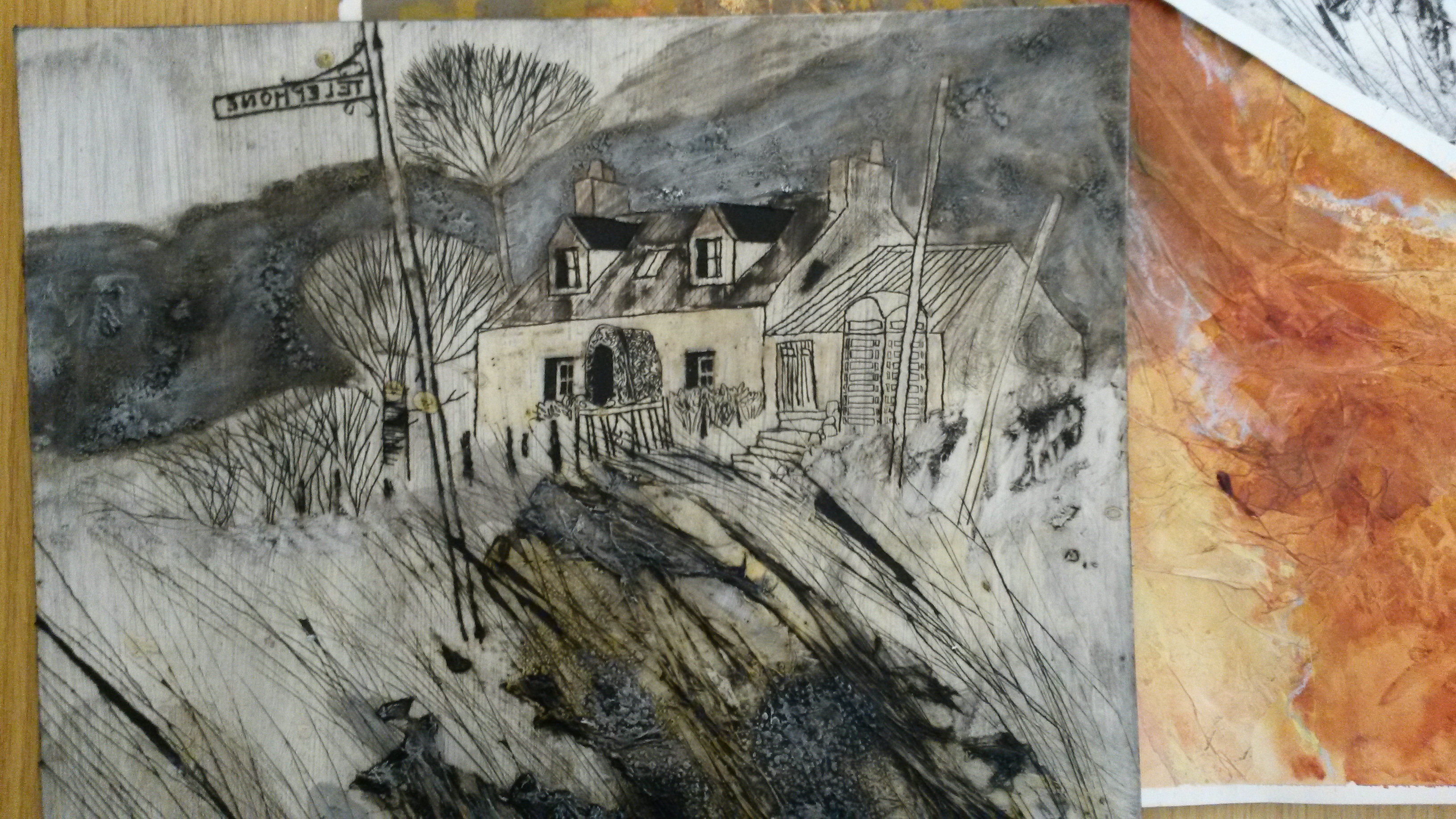
Collagraphy (sometimes spelled collography) is a printmaking process in which materials are applied to a rigid substrate (such as paper board or wood. The word is derived from the Greek word koll or kolla, meaning glue and graph, meaning the activity of drawing.

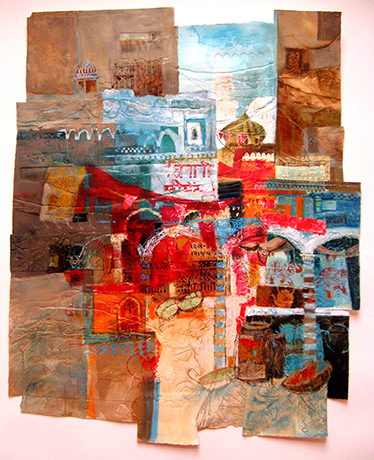
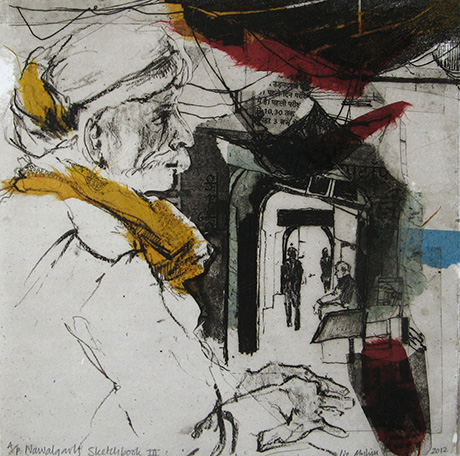
During her stay in India she filled her sketchbooks with found things such as saris, sweet wrappers and flowers.  She found that collographs could incorporate all these things.
nawalgarh-sketchbook-iii

Narwalgarh Sketchbook iii

through-the-arches2

Through the Arches, Liz Myhill


She showed us a sketchbook containing a drawing of a man in the middle of a dessert wearing crisp white clothes.  She developed this into a print by photocopying it onto acetate, which was then copied digitally onto polycarbonate.  Photocopying allows you to change the dimensions and move things around.  If an image needs something extra, she will go ahead, pushing all the time for the result she wants.  That is what she did with the sketch, used collage, added handmade paper, lino cut, added text and photo etching.  She took inspiration from the bustling market place, crumbling buildings, murals, white washed walls and adverts.  She uses self levelling gel, which causes paint to granulate and acts as a resist.  She uses Windsor and Newton white ink on top, wetting an area first, then allowing the ink to run into the creases on the paper.  Once dry she added soft pastels to the sky.  To define the result she uses watercolour pencils.

I found her creative process very inspiring; she pushed an idea to its limits, what started as a sketch would be added to, become a print, a painting a design in a never-ending process. She added tissue paper for texture, used a scribe to scrape marks and modelling paste for relief.

She said to worked with “spectacular mistakes, instead of safe results”, and have fun on a wonderful, explorative journey.

I was enthralled by this artist because she is the first person I’ve seen who pushed a subject on and who had so many creative processes.  I’d like to try using collage and print in an experimental way in my Drawing Course.
References

http://www.tate.org.uk/learn/online-resources/glossary/m/monoprint
http://en.wikipedia.org/wiki/Collagraphy

Visit to Alasdair Gray Exhibition “From the Personal to the Universal”

Alasdair%20Gray%20updated%20rotator

 Today I went to the Kelvingrove Art Gallery to see the Alasdair Gray Exhibition “From the Personal to the Universal”.  I went because I thought it would be useful for my Drawing Course, and also because I remembered seeing an exhibition of his in 2012 and I really liked his style of drawing people.

Alasdair Gray (born 28 December 1934) is a Scottish writer and artist. His most acclaimed work is his first novel, Lanark, published in 1981 and written over a period of almost 30 years. It is now regarded as a classic, and was described by The Guardian as “one of the landmarks of 20th-century fiction.  Gray’s works combine elements of realism, fantasy and science fiction, plus clever use of typography and his own illustrations. 

It was Alasdair Gray’s portraits that I enjoyed seeing the most and was most drawn to.  He drew them on a large scale, often using brown parcel paper (because he said it was cheap).  He used a variety of media; ink, pencil, watercolour, acrylic, oil, typex and crayon.  The figures were drawn in line only with no tone added, often leaving the brown paper untouched for the skin tone.  In contrast, the clothes were coloured, or hatched to show form.  This contrast is very striking.  He said “I felt free enough to use a thick nibbed fountain pen and the outline varied with the angle of the stroke.  Hatching I kept for garments; I liked the contrast.”

His style of drawing figures may have been influenced by his illustrative work.

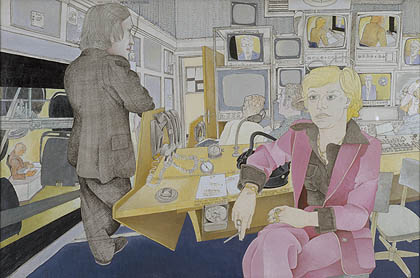
In 1977, Elspeth King, the curator of the People’s Palace, was concerned that the museum didn’t have any artworks depicting Glasgow’s people and places beyond the early 20th century. She commissioned Alasdair Gray to become the city’s “artist recorder”, documenting contemporary Glasgow in visual form.

In his year on the job he produced around 33 works for the Palace of typical or well-known Glaswegians going about their daily lives, as well as buildings and street scenes and together these form a portrait of Glasgow at that time.

The pictures provide a unique insight into a period when much of the old industrial Glasgow was being demolished. The exhibition is interesting both for fans of Gray’s work and for its snapshot of Glasgow life in 1977, seen through his eyes.

I think perhaps I may have been viewing the paintings with some nostalgia, as I grew up in the seventies.  A fellow viewer at the exhibition commented that the style reminded him of the illustrations in the book “The Joy of Sex”, which made me smile.  I was also reminded of my art teacher in High School showing me figure drawings in coloured pencil by David Hockney.

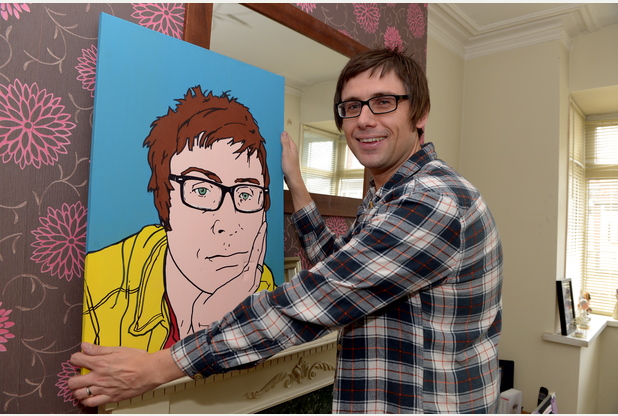
More recently I’ve seen figure drawings, also simplified and pared down by Kevin Atkin, a competitor on the series Sky Portrait Artist of the Year.

kevin atkin

 Kevin Atkin, competitor in sky Portrait Artist of the Year

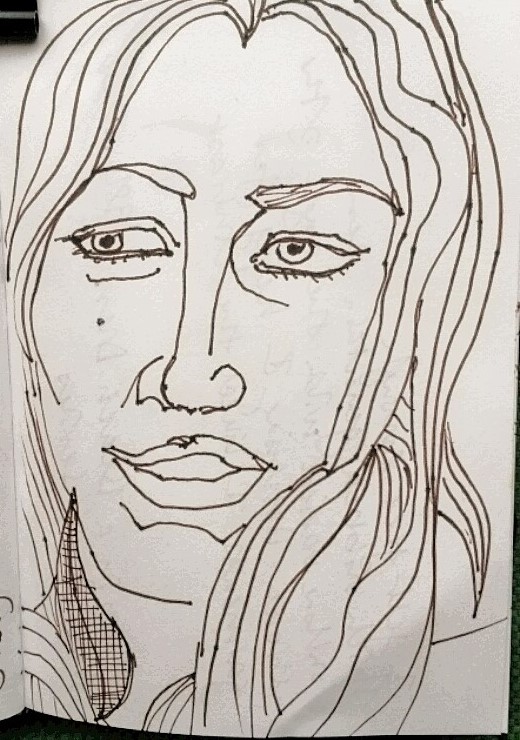
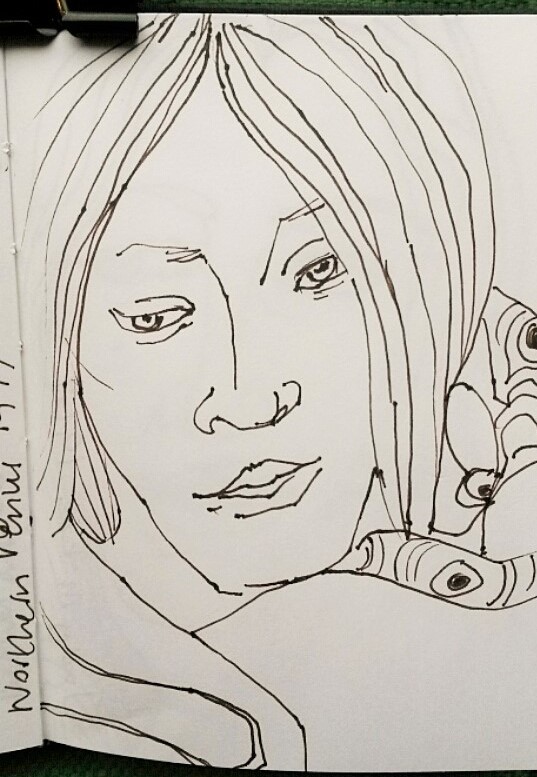
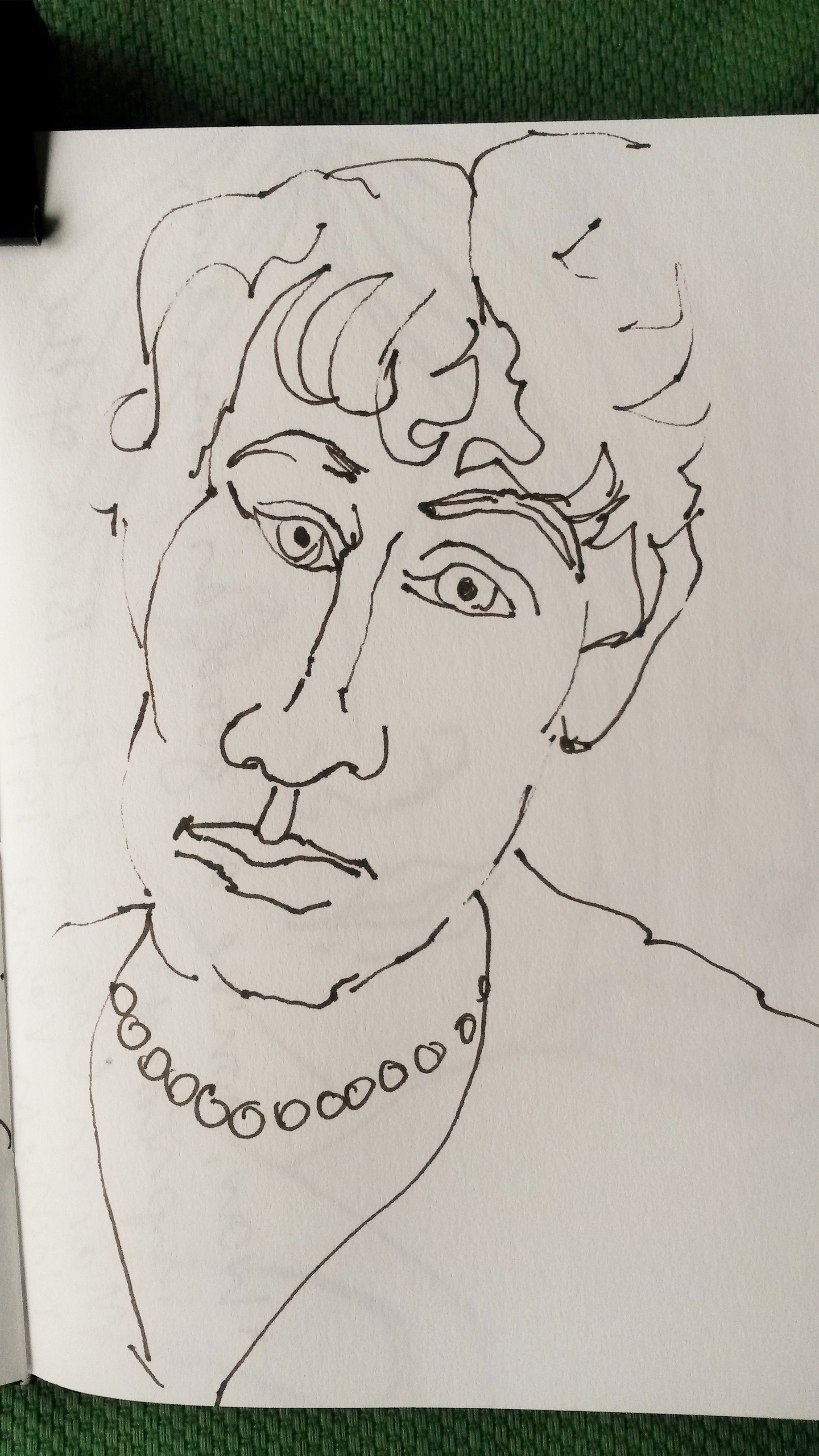
I did some very quick sketches of some of these portraits.  This was a little daunting as the exhibition was very busy and there were a lot of people about.  Despite this, I chose a quietish corner and worked in Faber-Castell Pitt artist pen in dark sepia in a small pocket sized sketchbook.  Whilst sketching, I discovered that some of the hair in the portraits was drawn with continuous line.  Drawing in pen makes you really look and think quickly before committing to the drawing; there is no room for correction in the way that you can use an eraser when working in pencil.  A girl came up behind me to watch.  I suppose it was a testament to my increasing confidence that I didn’t just stop and walk away (as I would have in the past).  The reward for this was her commenting “Wow, you’re as good as him.  I’m impressed”.

2015-02-23 13.51.102015-02-23 13.51.50 (2)


20150301_152019

Some of my sketches

I came away feeling that I’d like to try this style of portrait for myself.

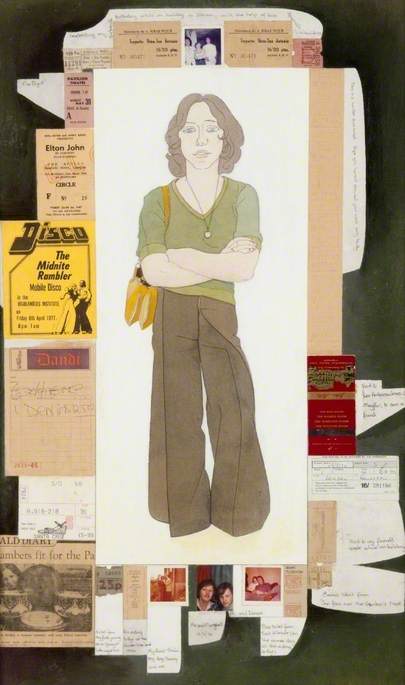
Later I began to think more about what was gained by Alasdair Gray becoming the “City Recorder”.  What did he achieve in his paintings that wouldn’t be captured by a photographer etc?  The city buildings would be recorded more accurately, probably, by a skilled photographer.  One of the portraits was of a young girl, “Frances Gordon, Glasgow Teenager” and surrounding her portrait was a collection  of items from her hand bag; a bus ticket, a ticket stub for her first pop concert etc.  This is reminiscent of the current trend of collecting “found” items, and paints more of a picture of her life, interests and personality than a photograph ever could.

(c) Glasgow Museums; Supplied by The Public Catalogue Foundation

Frances Gordon, Glasgow Teenager 1977

Alisdair Gray’s City Recorder portraits have a sensitivity in them that it would be difficult to capture in a photograph.  His people are “real”, many of them engage with the viewer, looking straight into their eyes.  His way of simplifying a scene, pairing it back, makes it easy for the viewer to read and understand.  Similar to the way in which a war artist captures the emotion and pain of combat in a way that a news report or photograph does not.

gray bbcnews

Fidelma Cook (b.1953), in the BBC News Gallery


References

http://en.wikipedia.org/wiki/Alasdair_Gray

http://www.culture24.org.uk/art/art367154

Project 1: Observational drawing

Find an inconspicuous area of a room or small area outdoors where several elements are juxtaposed.  Take photos and make sketches of cropped details.  Make several drawings, lines, repeat motifs, allow forms to come together in unusual ways.  Be as playful as possible with pattern, texture, form etc, whilst still being sensitive to what you are looking at.  You may find that photocopying your drawing, cutting it up and making a collage will help- or overlaying tracing paper to create repetitions of interesting lines and shapes.  As you progress you may find that parts of the subject which feature large in reality disappear completely in your drawing, while incidental patterns of shapes develop their own status.

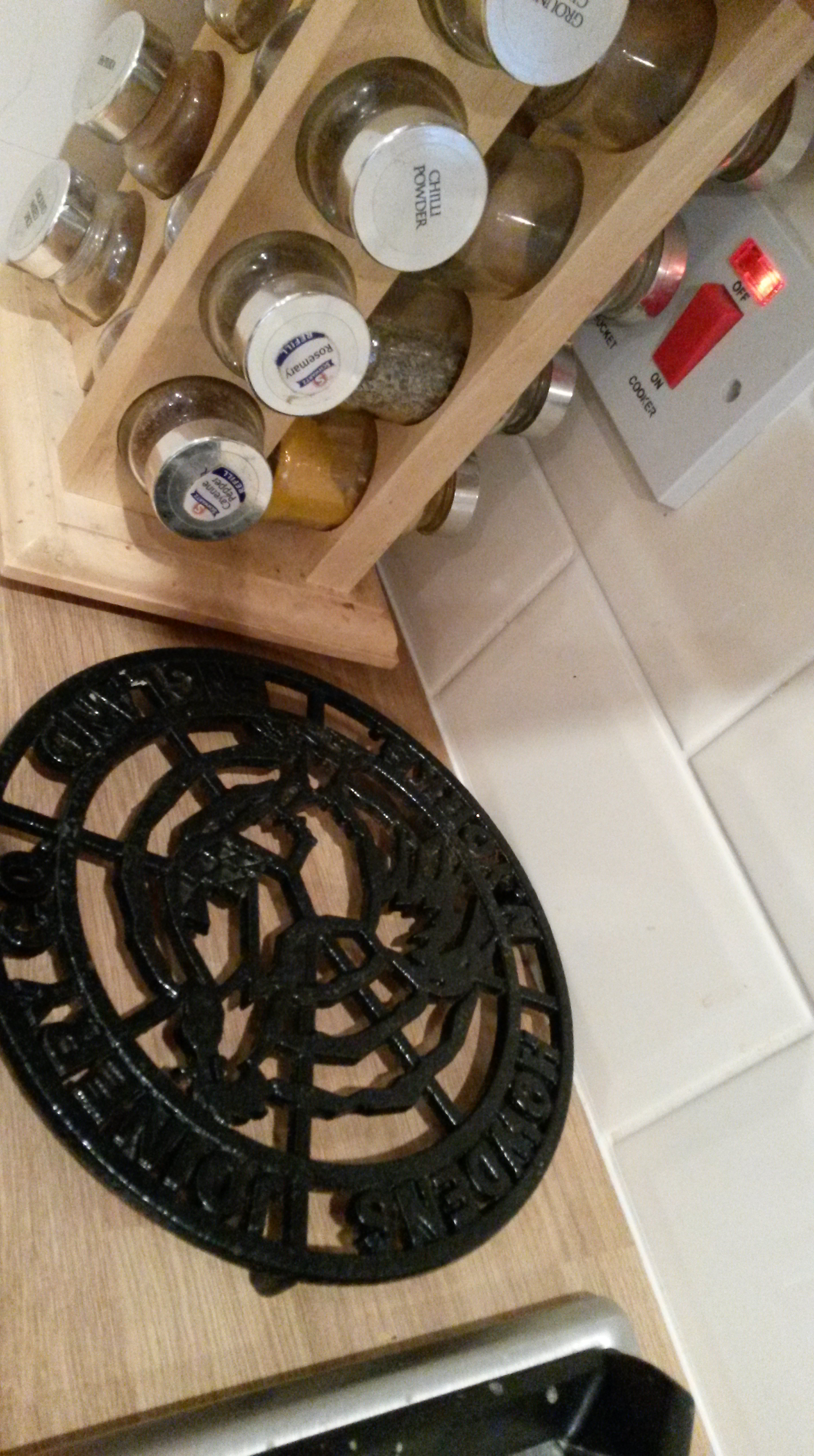
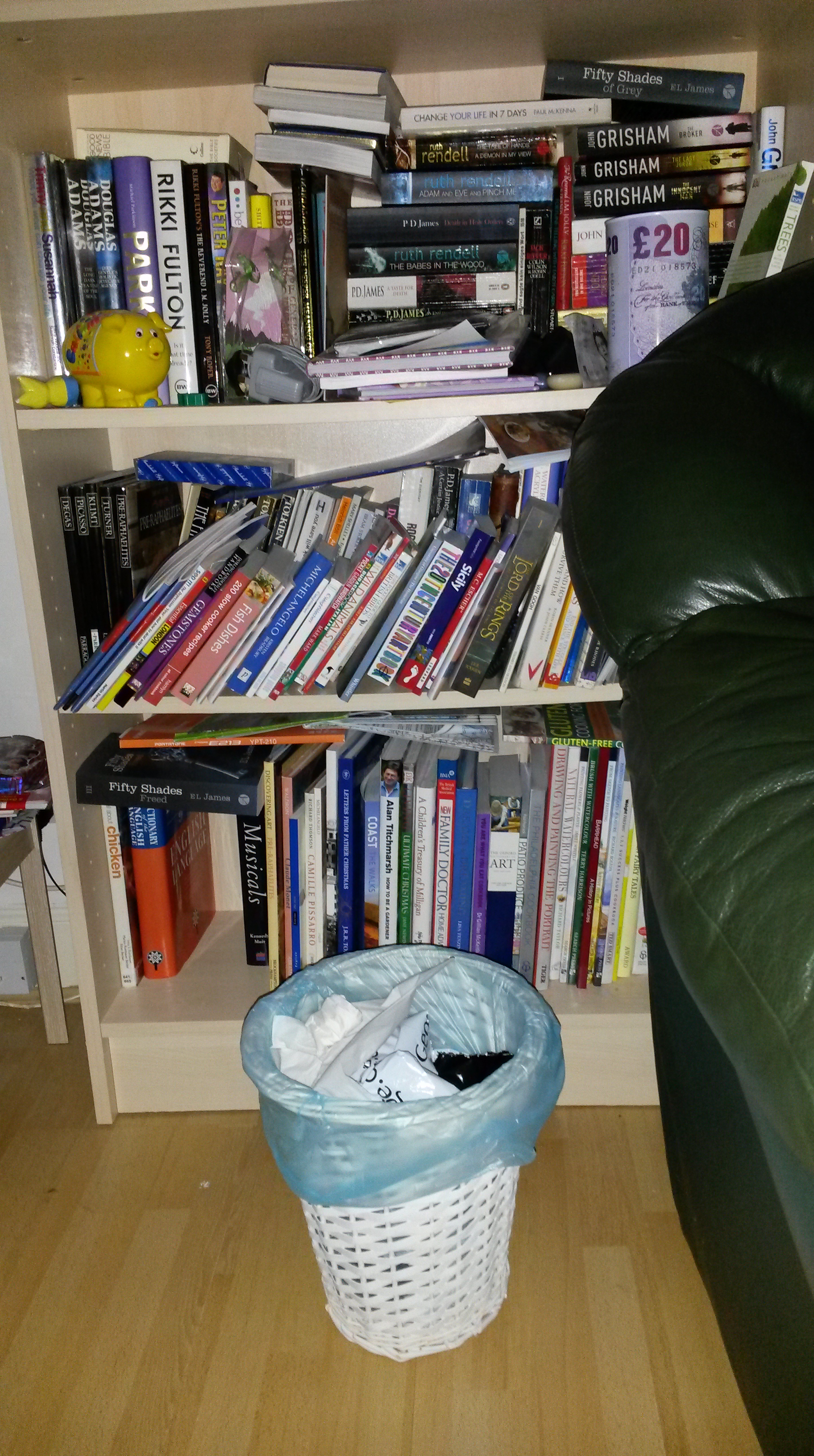
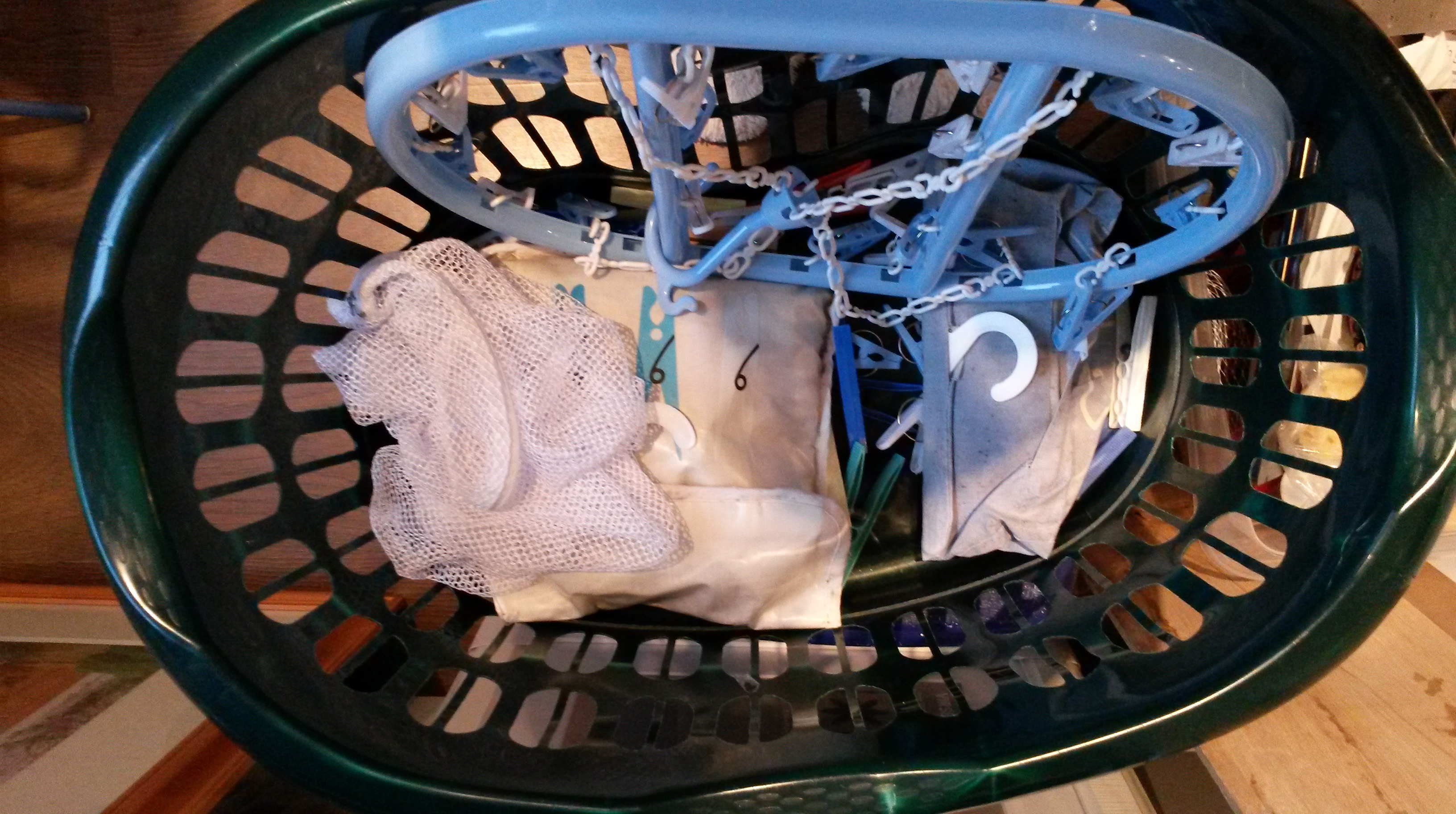
I wandered round the house with my phone and took random photos, such as these;

20150105_13443520150105_13455120150105_134322

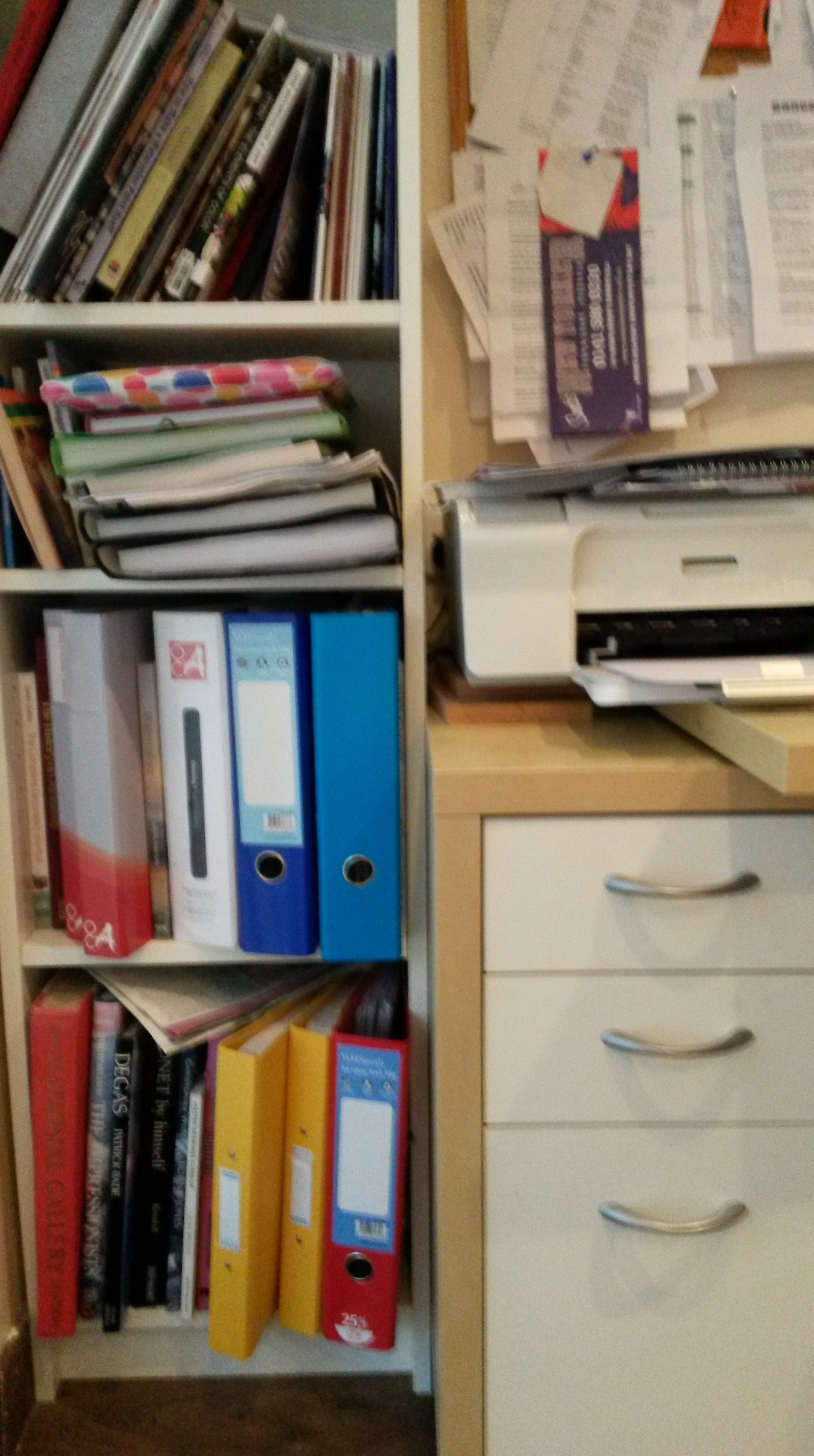
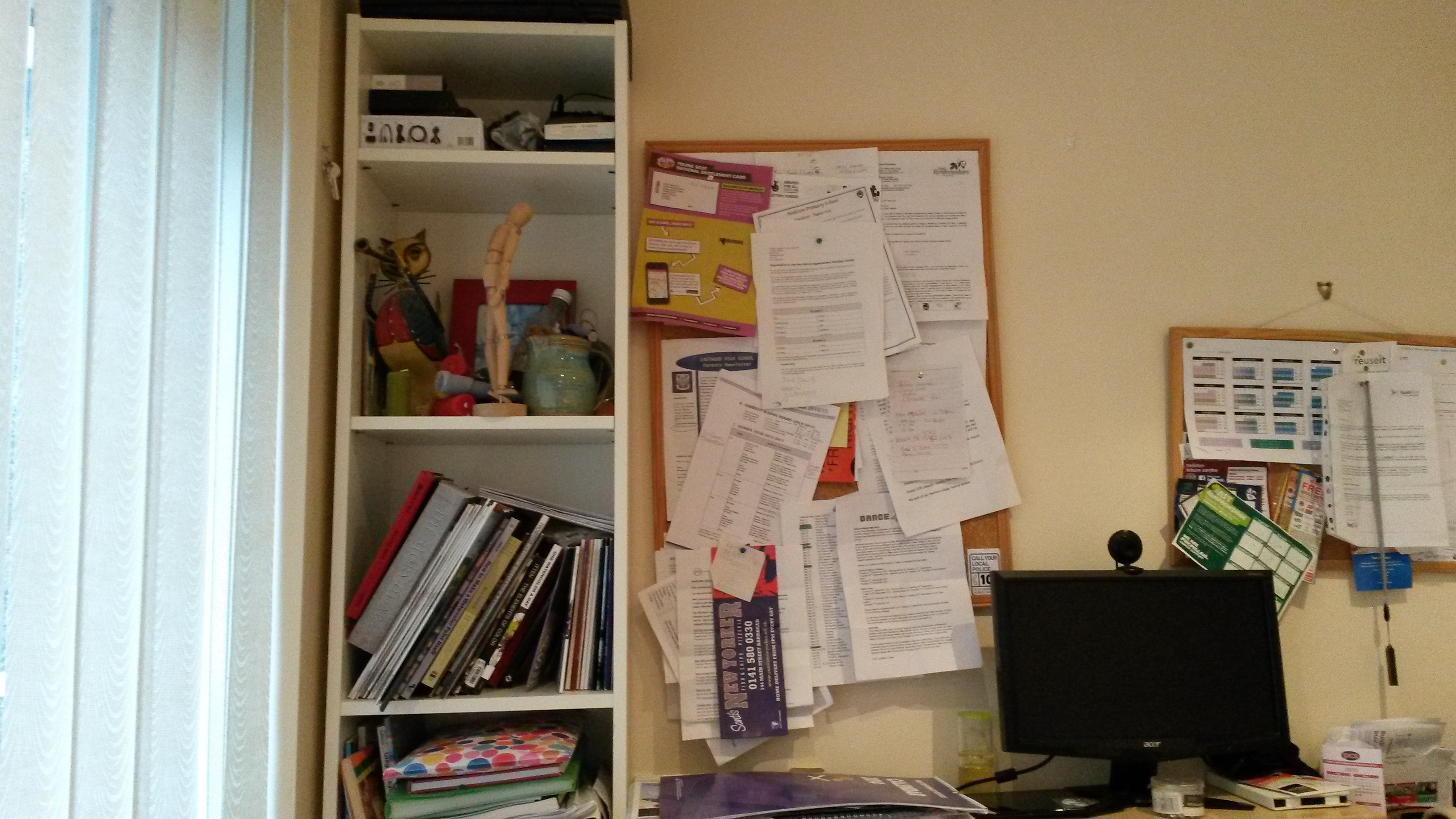
I intentionally chose subjects that I would normally never chose to paint or draw.  I also never tidied up first; I wanted the photos to show “warts and all”.  Of the photos I took, I immediately chose these;

20150105_13423420150105_134214I was drawn to the straight lines of the shelves and the repetition of the vertical lines of the books and folders.  I started to draw this area, initially intending it to be a line drawing, however I decided half way through to make it a tonal drawing, using HB, 2B and 6B pencils.

drawing 2 003

A3 pencil drawing

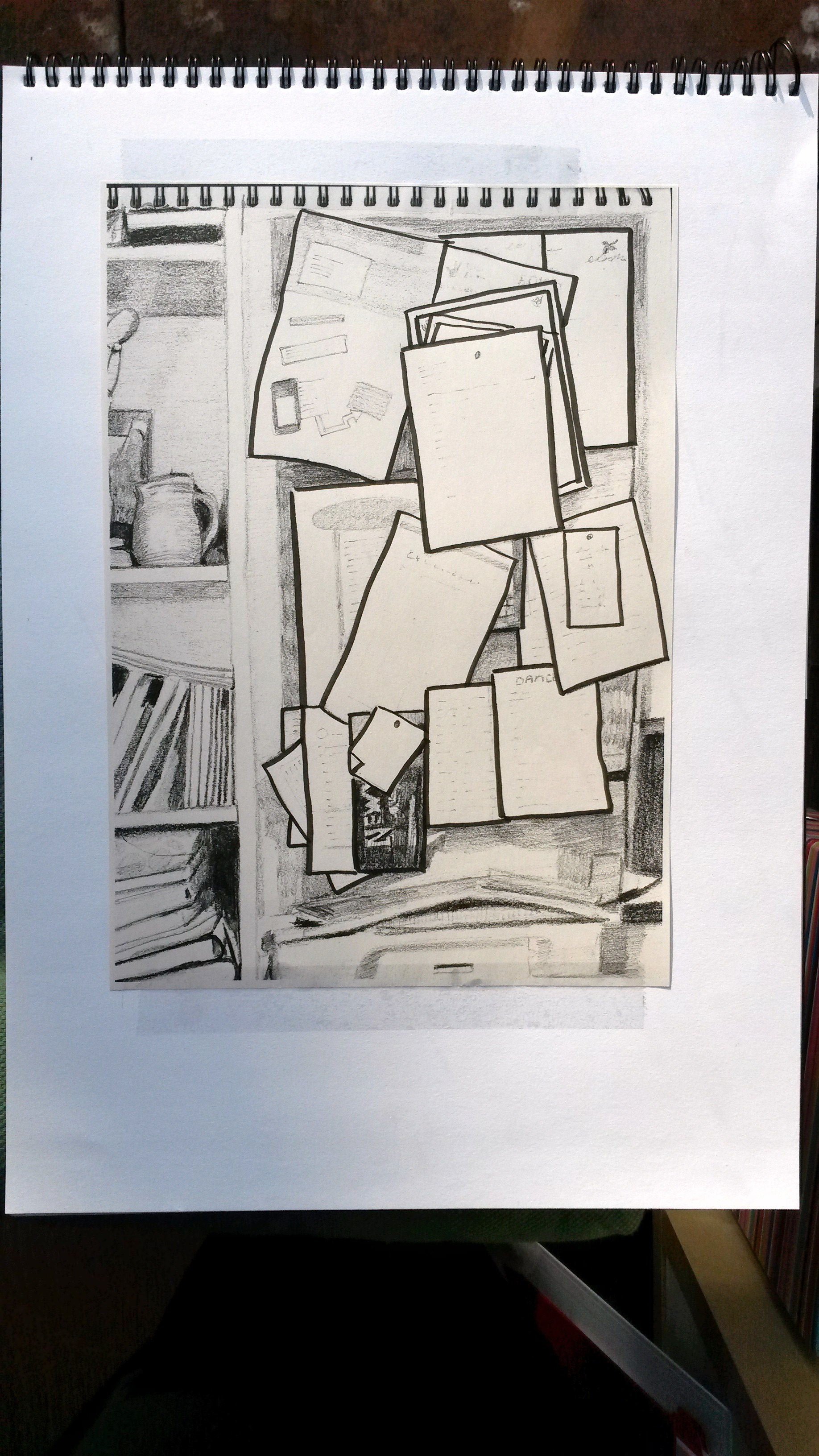
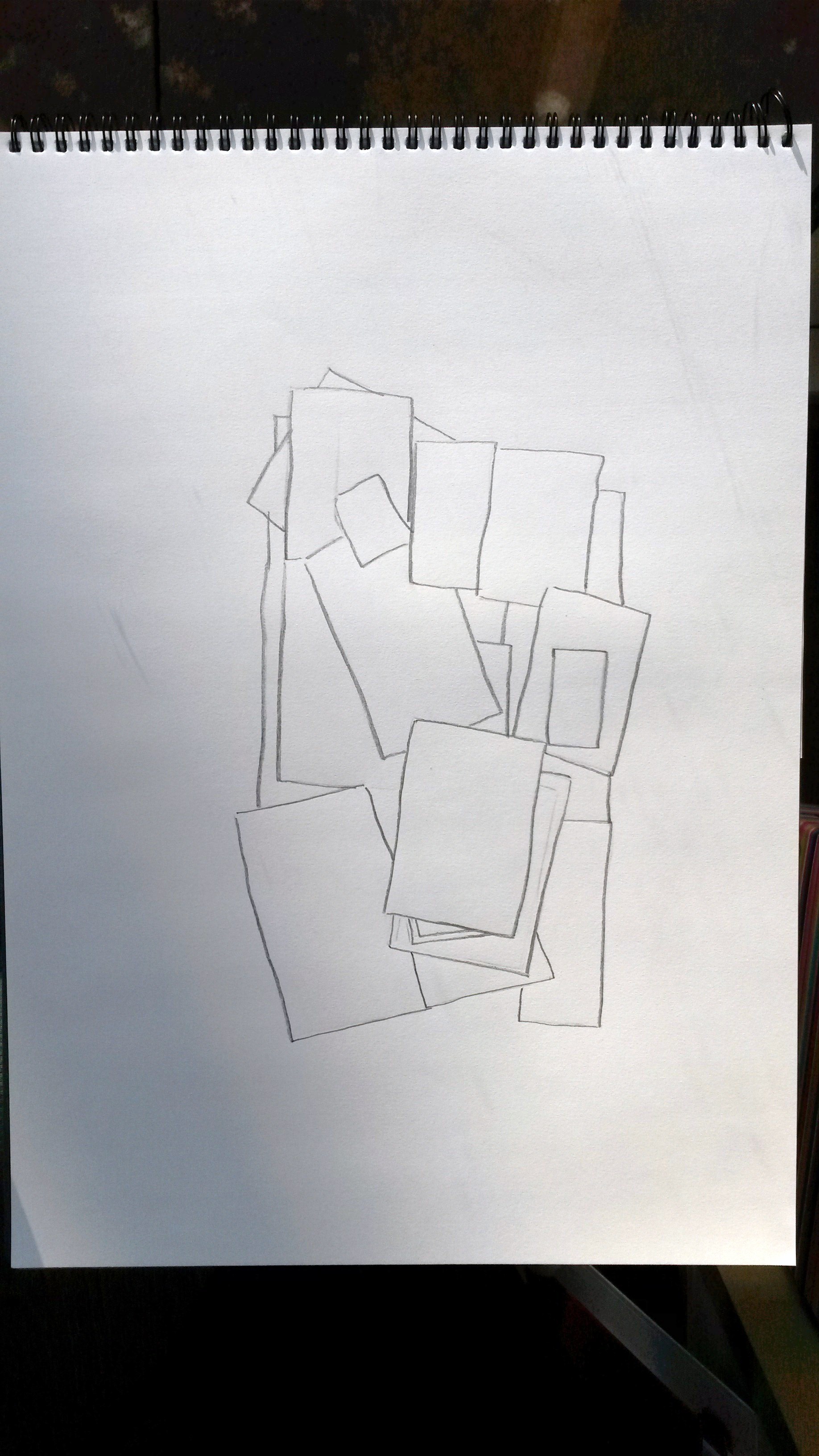
I photocopied this image and traced the shapes of the letters pinned on to the notice board.

drawing 2 020

drawing 2 021

I then coloured these abstract shapes using the colours of the folders on the shelf.  The result was interesting, but not one that I felt I could take further.

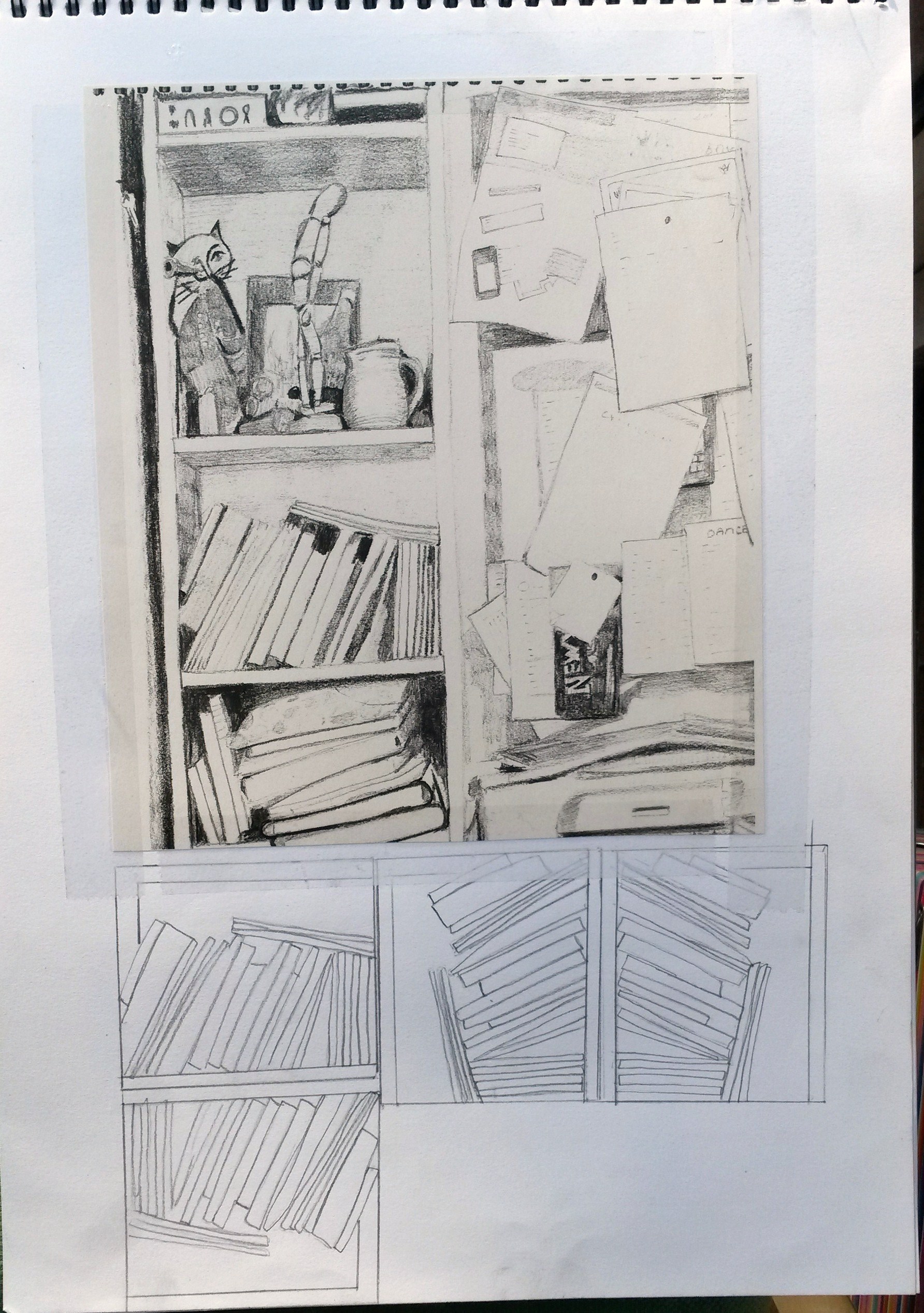
I then decided to focus on one of the shelf areas, where the books were all leaning to the side and there was repetition in the diagonal lines.

drawing 2 006

Photocopy of drawing and tracings

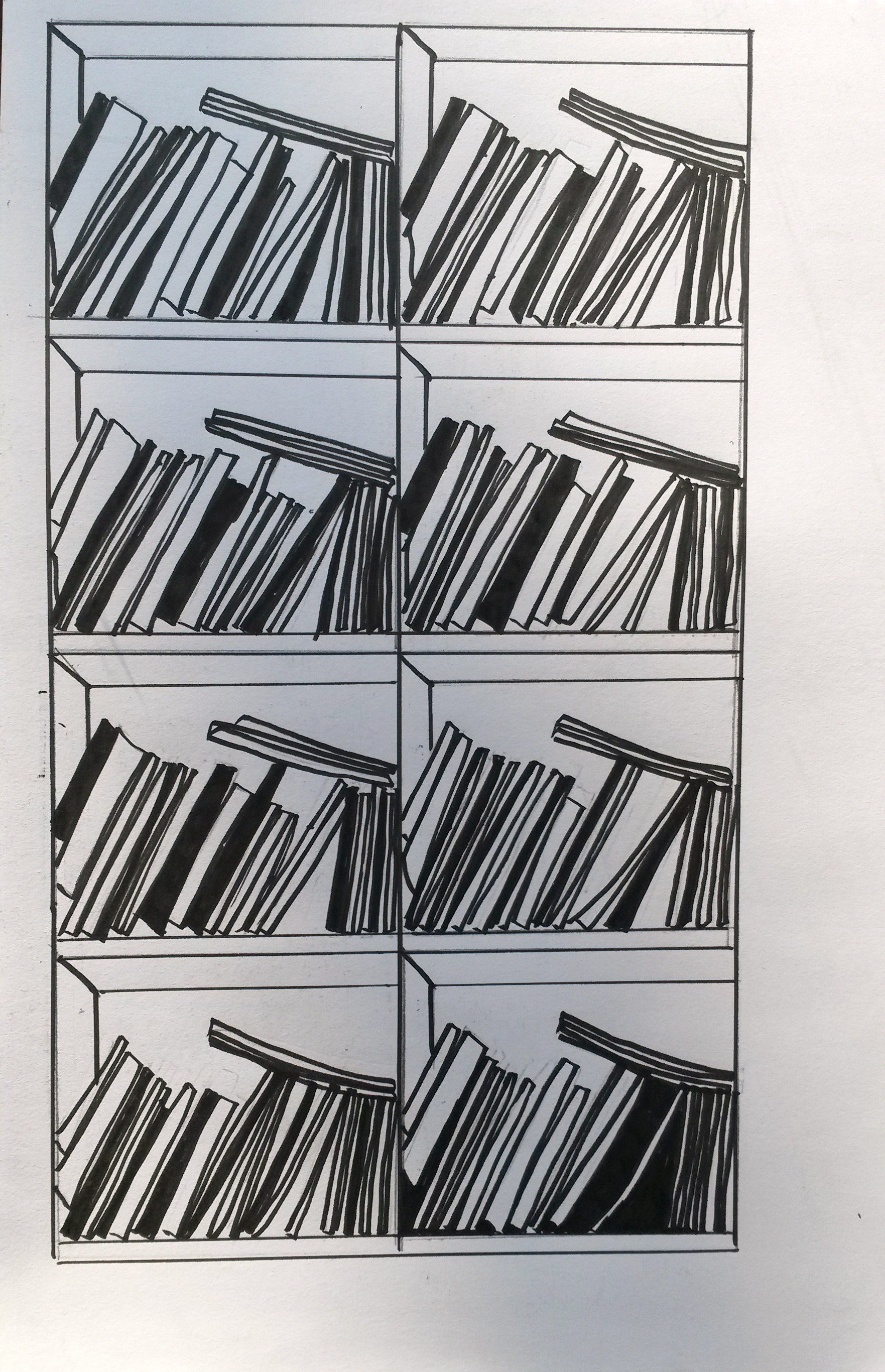
I decided to repeat this more times.  I went over the pencil with black felt tip.  I then coloured in random parts of the drawing with black pen, ensuring each “shelf” was different.

drawing 2 011

Tracing with black pen

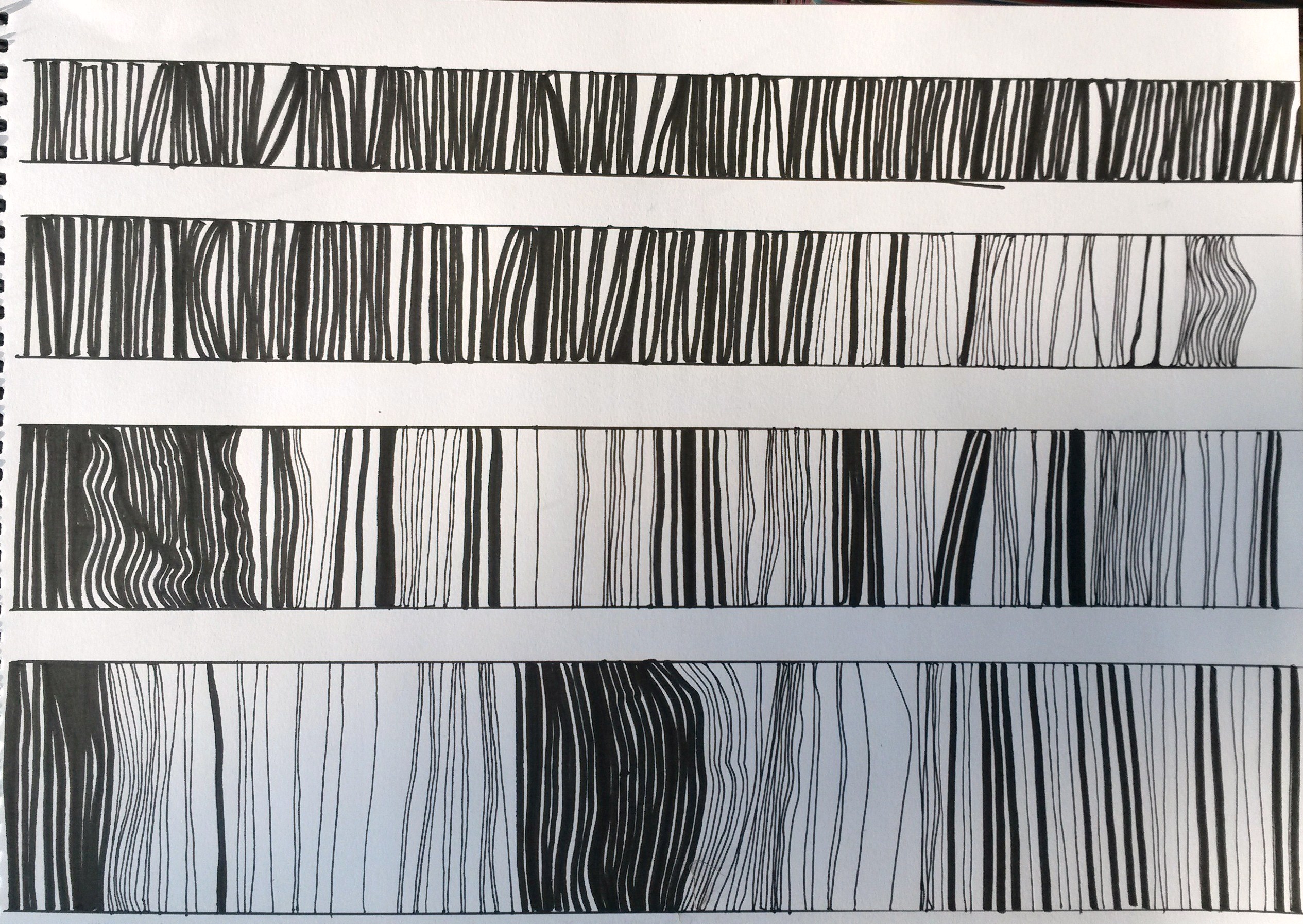
This reminded me of black and white barcodes.  I then tried long horizontal areas.  The first “shelf” was 3.5 cm tall, and with the same Steadler black felt tip I drew in the “books” as a continuous line, making some slant.  I though this looked quite interesting, so I did a taller “shelf”, this time 4.5 cm.  When I was just over half way along, working in the same way with a continuous line, I thought it was looking dull and too repetitive, so I started adding thin lines using a fine black Pitt drawing pen.  I interspersed these with thick lines to add more variety.  I liked this, so added another shelf, 6 cm this time.  I added wavy lines, blocks of black and spaces this time.  Finally, the last shelf was 8 cm and had more of the thin and thick lines grouped together, finally becoming more barcode-like towards the end.

drawing 2 016 - Copy (2)

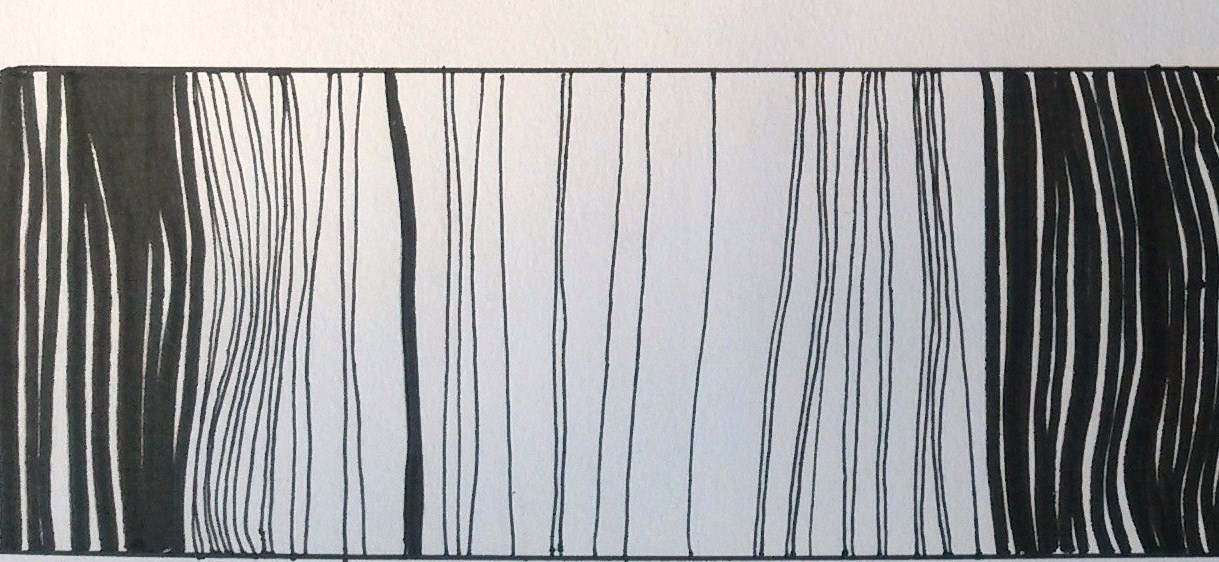
I really liked this last part and individual parts of it work well on their own, such as this part.

drawing 2 016 - Copy

Reflection; …Reflect on how far you’ve moved from your original subject.  Is your final drawing still of the object, or is it now more a drawing about the process of looking and being creative?

Reflect on whether you’ve made the best possible use of the space available to you.

I’m very pleased at how far I have come from the original subject.  My final drawing is an abstract image, and this is an are I’ve not explored much.  I think I followed the brief well “repeat motifs,…be as playful as possible with pattern”.  I think the monochrome works well.  I like the repetition of the lines and the contrast between the thick and thin lines.  I like the control and precision, and I also felt that I was working instinctively and that it was a very natural process.  A good start I think.

Portrait Demonstration by Gareth Reid

I watched a demonstration at Paisley Artists by Gareth Reid.

Gareth Reid is a graduate of Glasgow School of Art and Florence Academy of Art and is currently Visiting Lecturer in Drawing, and Portraiture Tutor at Glasgow School of Art.

He has shown on five occasions at the BP Portrait Award in the National Portrait Gallery in London, and in 2007 won the BP Travel Award. Having travelled to Finland, he gave talks on his work in the National Gallery of Scotland, Edinburgh and the National Portrait Gallery. His work has been published by the NPG.

Gareth also took part in Series 2 of Sky Arts Portrait Artist of the Year.

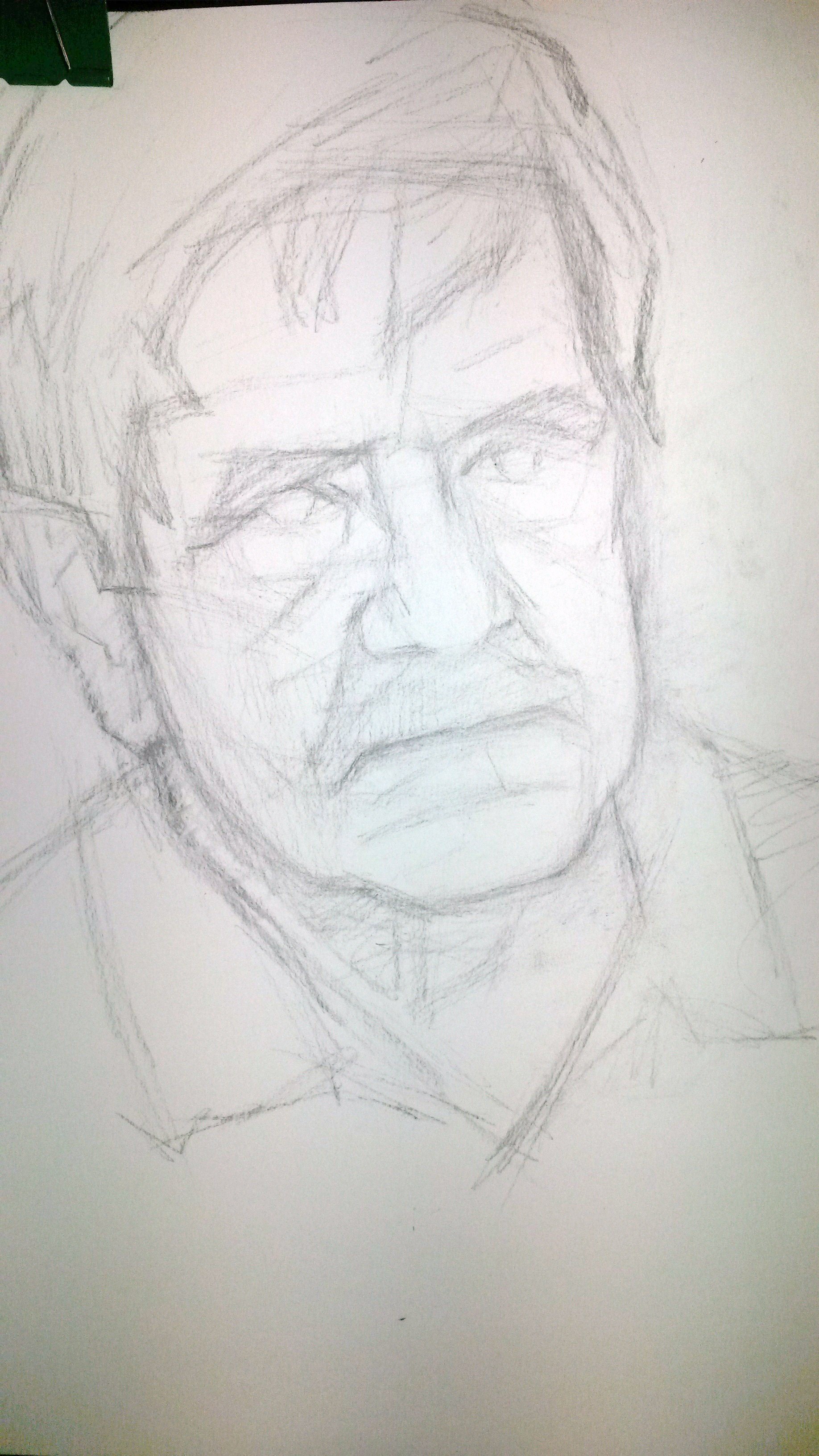
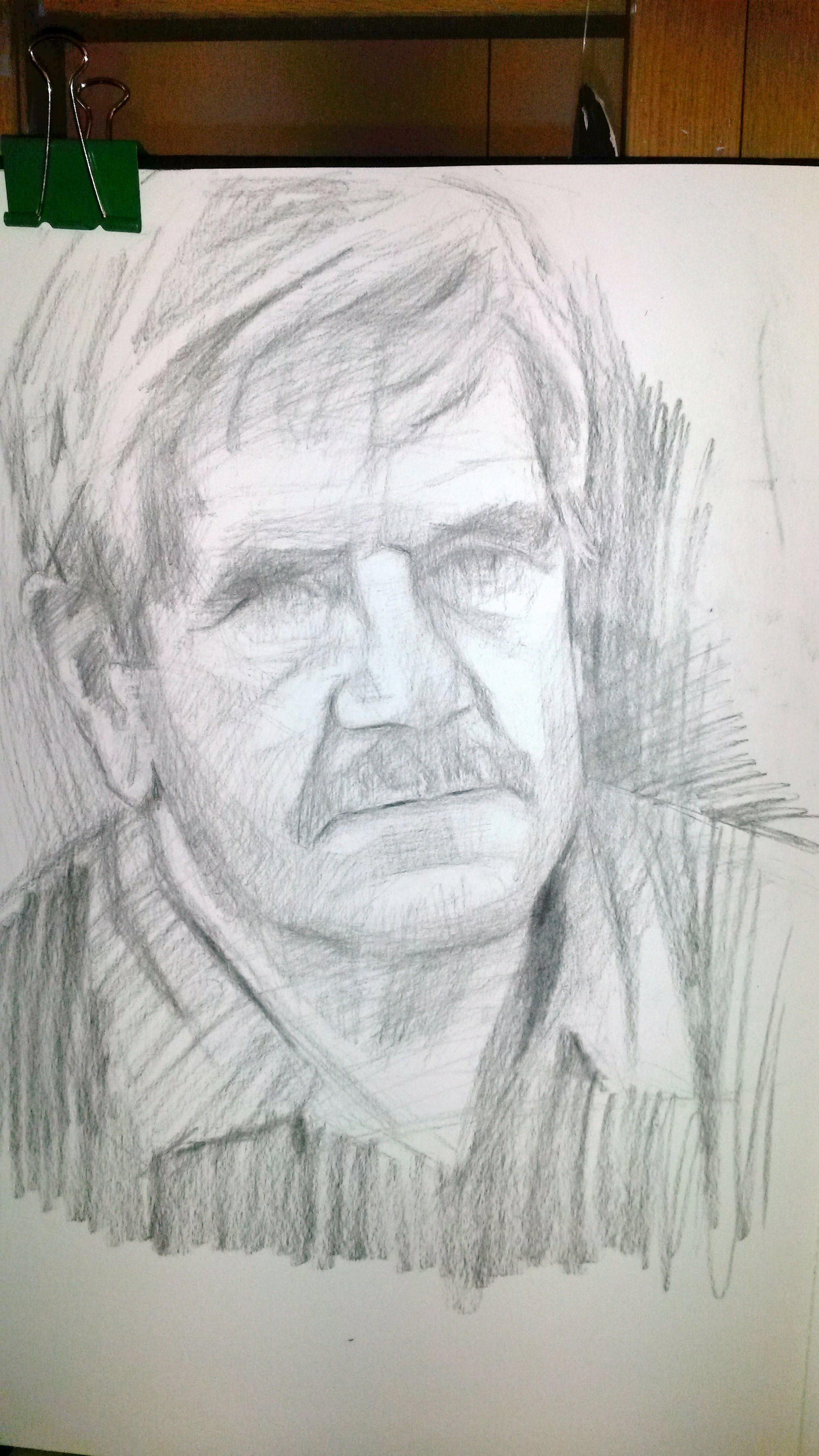
I was quite excited when I realised the artist had appeared on Sky Arts Portrait Artist of the Year, as I really enjoyed watching this.  He stood very close to his model, with the paper of an A3 hard-backed sketch book, supported vertically on a studio easel.  He started off very lightly, drawing loose geometric lines to establish the structure of the head.  He held the charcoal pencil very loosely about 3 inches from the tip.  He said to work on the image as a whole; not on small individual parts.  When he had too many loose lines he defined them with an eraser.

He said to take special care measuring the distance between the shadow under the eye and the nostril, as it is a lot shorter than people imagine, and it is this error that causes people to elongate faces.  Measuring also helps with getting a likeness in a portrait.

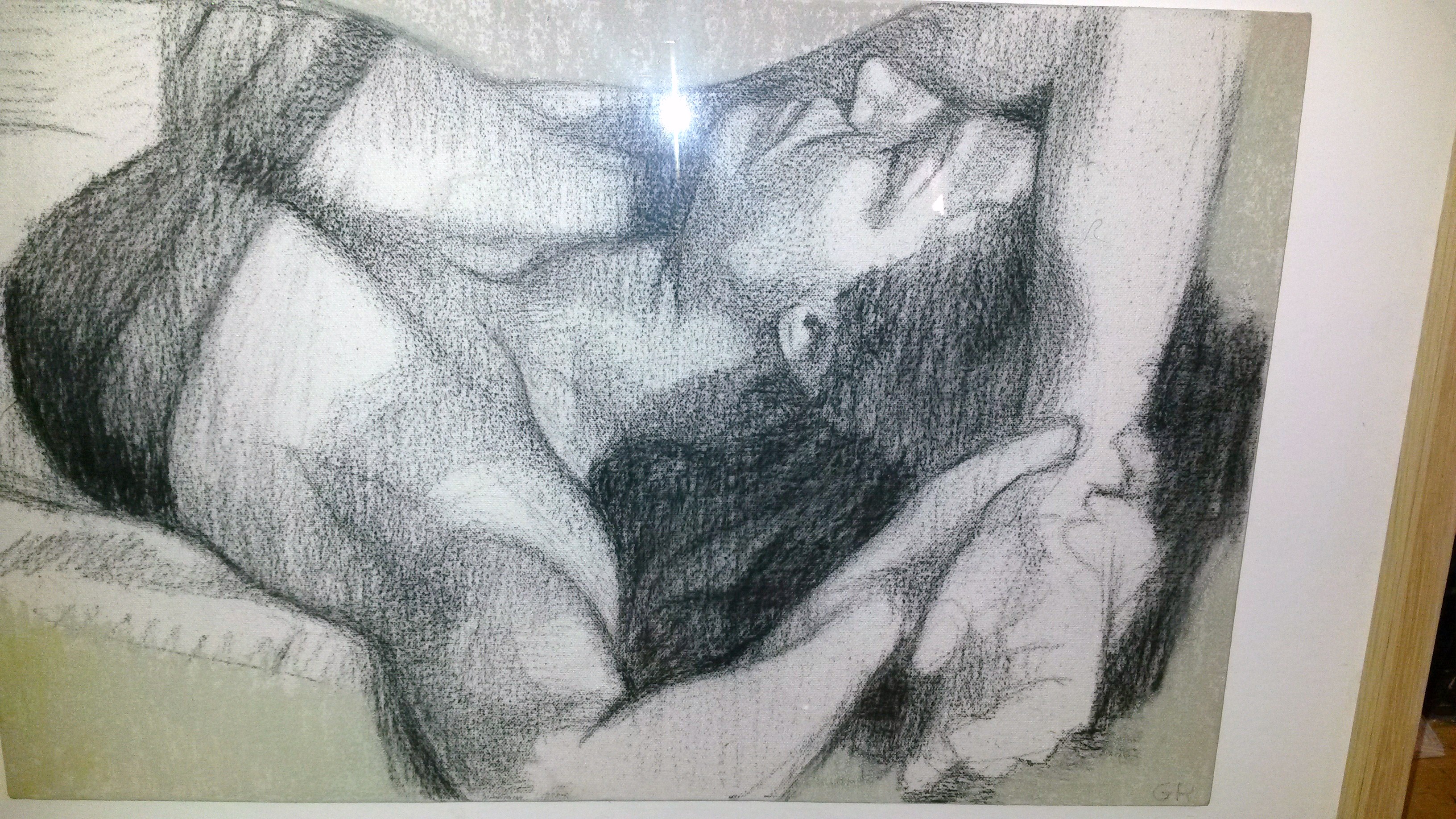
neilston exhibition 125


He said to be flexible when drawing a portrait; things can change, the person can move etc, and keep changing anything that isn’t correct.  He constantly checked the drawing in a mirror, as this makes mistakes jump out at you.   All parts of the face have equal importance to make a solid, believable head.

He said he always encourages students to slow down at the first stage, and to make sure the basic drawing is correct before polishing it.

He said to draw hair not hairs.  Focus on volume and shapes, and break it into areas of tonal shapes which lock together.  The whites of the eyes are often dark because they are in shadow because of the overhang of the eye brows.

The end stage is to unify the image and more vigorous lines can be used towards the end.

neilston exhibition 128

He showed us some finished pieces done in completely the same manner, although they were done on canvas board primed first and with a touch of soft pastel added for colour.

neilston exhibition 126

We couldn’t resist the opportunity to ask him about his experience of taking part on sky Arts Portrait Artist of the Year.  He said that overall it had been a very enjoyable experience.  He has a “process” that he follows when doing a portrait, pretty much what he was demonstrating to us, and for that reason he did not panic during the competition, whereas he could see other artists struggling to complete their portraits in the 4 hours timescale.  He also practiced really hard before the competition.

Other artist, he  worked purely from photographs taken on their ipads, and didn’t spend much time looking at the live model.  They also used squaring up apps, and he didn’t “think there was much draughtsmanship involved”.  Others appeared to throw a lot of paint around the canvas (for dramatic effect?) for the cameras but the finished painting was very tight.

1. http://garethreidportraits.com/page3.htm

Tutorial 1 19th Jan 2015 by Skype

I had never used Skype before, so when my tutor suggested it I was both interested and terrified.  Once my 9 year old had shown me the basics; got me set up, showed me what to do in simple language, I was good to go.

My tutor was very encouraging from the outset.  She discussed some of the content of my Student Profile, for example I had commented that I had often received criticism that my drawings were too tight.  She encouraged me to draw how I like to draw and if that includes small detail, so be it.

She advised me not to worry too much about timescales and to work at my own pace.  She suggested that I try to draw every day, even if it is only on a scrap of paper that I don’t keep, it is the drawing process that is important and not the end result.  She encouraged me to try continuous line drawing and blind drawing.

I asked what media I should use and she told me to use whatever I like; pen, ink, watercolour even.  she encouraged me to look at entries to the Jerwood Drawing Prize where, film and sound have been used as a drawing medium.

She said she would email a document to me which included artists to look at, books to read and competitions.

She gave me her website address http://www.annabeldover.com where I could view her own drawings.

Having a conversation over Skype was most helpful as it was a dialogue and more than anything it allowed her enthusiasm and encouragement to come through.  Throughout the conversation she frequently said “Just go for it!”, I will make that my motto for this course and JUST GO FOR IT!